Eczema

Information and guidance on eczema
eczema information
Eczema
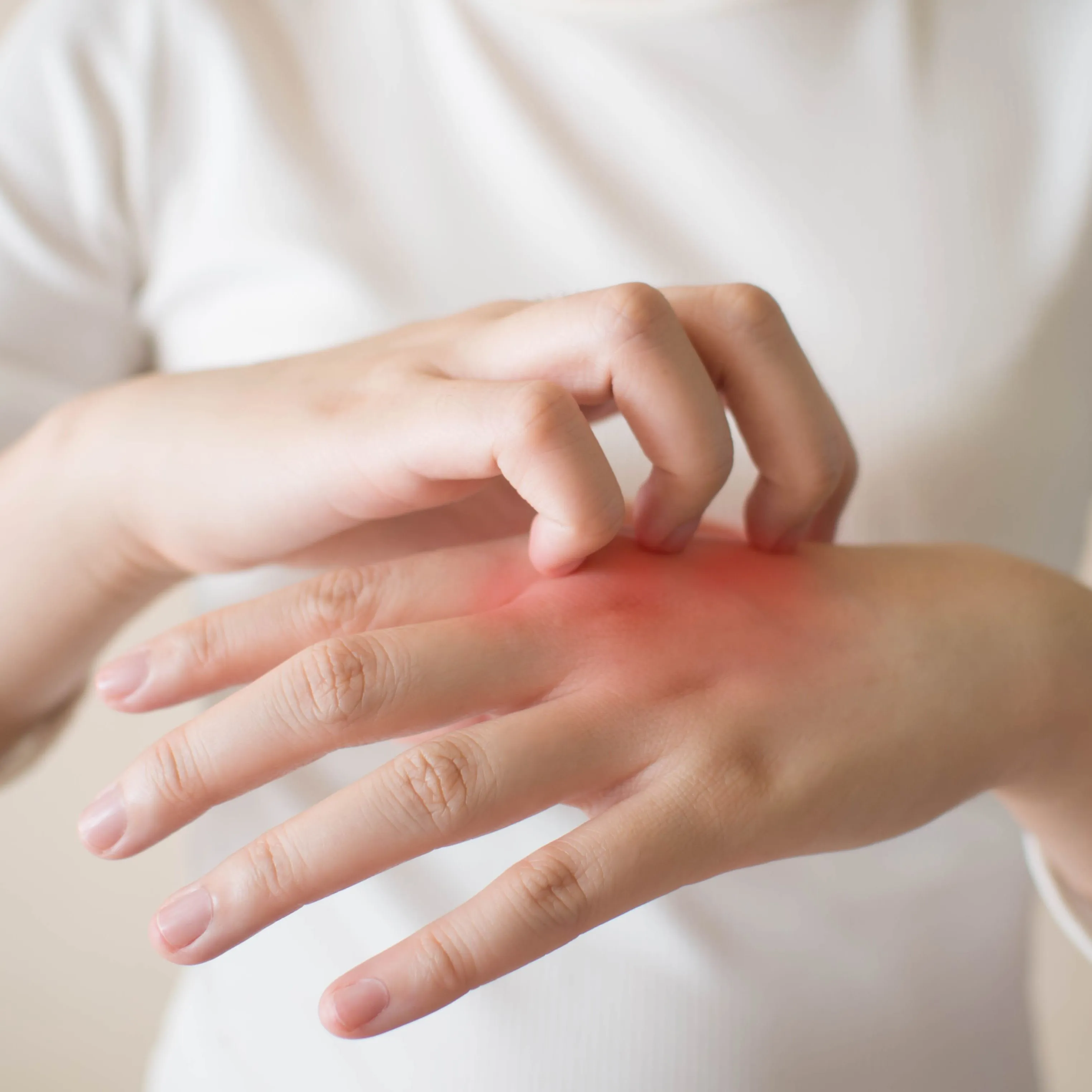
Eczema, also referred to as dermatitis, is a chronic skin condition characterised by dryness and various manifestations. The diversity of eczema forms stems from an underlying issue in the skin barrier, which becomes abnormal and compromised in its functionality. This results in dryness, cracking, and heightened sensitivity to certain triggers that can induce redness, itching, and, in severe cases, discharge.

Managing eczema can be challenging as it involves addressing numerous triggers beyond our control, including temperature fluctuations, sweat, infections, viral factors, and water exposure. While there is no definitive "cure" for eczema, the utilization of specialized creams and adopting allergy avoidance techniques can facilitate a better quality of life. It is important to note that treating eczema goes beyond a simple prescription from a general practitioner, as it often requires a comprehensive approach. We aim to provide valuable information on this website to aid individuals in understanding and managing this complex condition effectively.
contact me

Allergy Dubai Doctor
eczema information
Treating Children's Eczema at Home
Treating children's eczema at home can be challenging with so many over-the-counter products available. In this expert guide, leading consultant paediatric allergist Dr. David Cremonesini shares essential do’s and don’ts for parents in Dubai, including product selection, bath time routines, and knowing when to seek professional help.

Eczema signs can vary but often include: dryness, inflammation, redness, itching.

In infants, eczema typically appears on the face, knee creases, and elbow creases. Teething can exacerbate eczema around the neck due to dribble rash. Infants with eczema often have cradle cap, which needs attention.

In children with darker skin tones, eczema may present differently, often affecting the extensor surfaces of the arms and legs. The nappy area is usually spared due to its humidity, which protects the skin. As children grow older, facial eczema tends to lessen, and the redness and itching become more typical. Severe eczema, however, can affect the entire body.
treating eczema
Do's and Don'ts for Treating Children's Eczema at Home
Treating eczema at home involves several essential steps that can greatly improve your child's skin condition. Here’s a structured plan to follow:
Daily Bathing
Do
Give your child a daily bath in tepid water for 10-15 minutes. Short baths help remove bacteria, viruses, and fungi, which children with eczema struggle to clear due to lacking certain skin proteins.
Don't
Use hot water, bubble baths, standard soaps, or detergents. These can irritate the skin and exacerbate eczema.
Post-Bath Care
Do
Use non-soap substitutes, usually creams, for washing. After the bath, pat the skin gently with a towel in a temperate room.
Don't
Rub the skin vigorously with a towel, as this can irritate it further.
Moisturising
Do
Use clinically proven eczema products. The type of moisturiser can vary with the weather—thicker ointments for winter and lighter creams for summer. Apply the cream using smooth, downward strokes.
Don't
Use fragranced creams or those with many ingredients. Test new products on a small patch of skin first.
Hygiene
Do
Wash your hands before applying creams. Use a clean utensil to retrieve the product from a pot to prevent contamination.
Don't
Dip your hands directly into the cream pot. This can introduce bacteria, which can grow at room temperature and irritate the skin.
guidance for allergy testing
Allergy Testing
A considerable proportion, up to 80%, of children may exhibit sensitisation to common food or airborne allergens. Therefore, it is important to note that a positive outcome from a skin prick test does not necessarily guarantee, with absolute certainty, that a particular allergen is exacerbating eczema. However, it offers valuable insights into potential contributing factors that can be identified through a process of trial and error. To ascertain if a factor indeed worsens the skin condition, it must be eliminated for a minimum of a few weeks. If the skin shows signs of improvement during this period, reintroducing the factor can help determine if it leads to the reappearance of negative effects. It is crucial to acknowledge that multiple triggers can provoke eczema flare-ups, emphasising the significance of accurate identification and appropriate treatment approaches. Dr. David will conduct relevant tests, engage in thorough discussions, and provide you with a personalised "Eczema Plan" tailored to your specific case, ensuring optimal management of your condition.
guidance for steroid creams
Steroid Creams
Parents often express concerns regarding the use of steroids; however, it is essential to understand that they have been extensively researched and proven to be a safe and effective treatment option. As a highly recommended approach, it is crucial to apply the prescribed cream directly to the red and itchy areas of the skin, providing significant relief and, in some cases, complete elimination of discomfort. It is important to emphasise that scratching will only worsen the condition, leading to increased itching and redness. Dr. David can assess your child's skin and devise a tailored action plan. Steroid creams yield remarkable results in most cases but should be continued as long as the skin remains itchy. As an initial guideline, I advise applying the steroid cream directly to dry skin and avoiding moisturising the same area for at least 30 minutes after application. For further educational resources on this topic, I encourage you to explore the informative videos available at 'Itchy Sneezy Wheezy'.
guidance for parents
Additional Tips for Parents
Eczema can be particularly challenging in Dubai’s climate, where extreme heat and dry conditions can exacerbate symptoms. Here are some extra tips:

Hydration: Ensure your child stays well-hydrated, as dehydration can worsen eczema.

Clothing: Dress your child in breathable, cotton clothing to minimise irritation.

Environment: Use humidifiers at home to maintain moisture in the air, especially during the dry months.

Sun Protection: Use sunscreen specifically formulated for sensitive skin, as UV exposure can trigger eczema flare-ups.

Implementing these strategies can significantly improve your child's skin condition and overall quality of life. If you need further advice, consult a paediatrician or dermatologist specialising in eczema management.